
Photography
AI Food Photography Generator
Create food photography concepts with appetizing light, texture and composition. Explore plated dishes, ingredient scenes and food advertising prompts.
Start creatingA starter prompt is ready in the generator. Make it your own.
Prompt
Create an editorial food photograph of a rustic tomato tart on a ceramic plate, flaky golden pastry, roasted tomatoes and a few fresh basil leaves. Use soft side light from a cafe window, subtle shadows, a natural linen napkin and a quiet wooden table. Frame the dish from a three-quarter angle with believable food texture. Avoid extra garnish, excessive steam or promotional text.
View full promptCollapse prompt
Create an editorial food photograph of a rustic tomato tart on a ceramic plate, flaky golden pastry, roasted tomatoes and a few fresh basil leaves. Use soft side light from a cafe window, subtle shadows, a natural linen napkin and a quiet wooden table. Frame the dish from a three-quarter angle with believable food texture. Avoid extra garnish, excessive steam or promotional text.
Make it your own
Food imagery works best when the dish remains recognizable. Describe the cooking texture, serving temperature, plate and garnish before choosing props. The examples cover overhead ingredient arrangements, close-up restaurant scenes and dramatic advertising compositions, each with a different visual purpose.
Explore prompts and examples
13 examples. Open an image to see its original prompt, then create your own version.
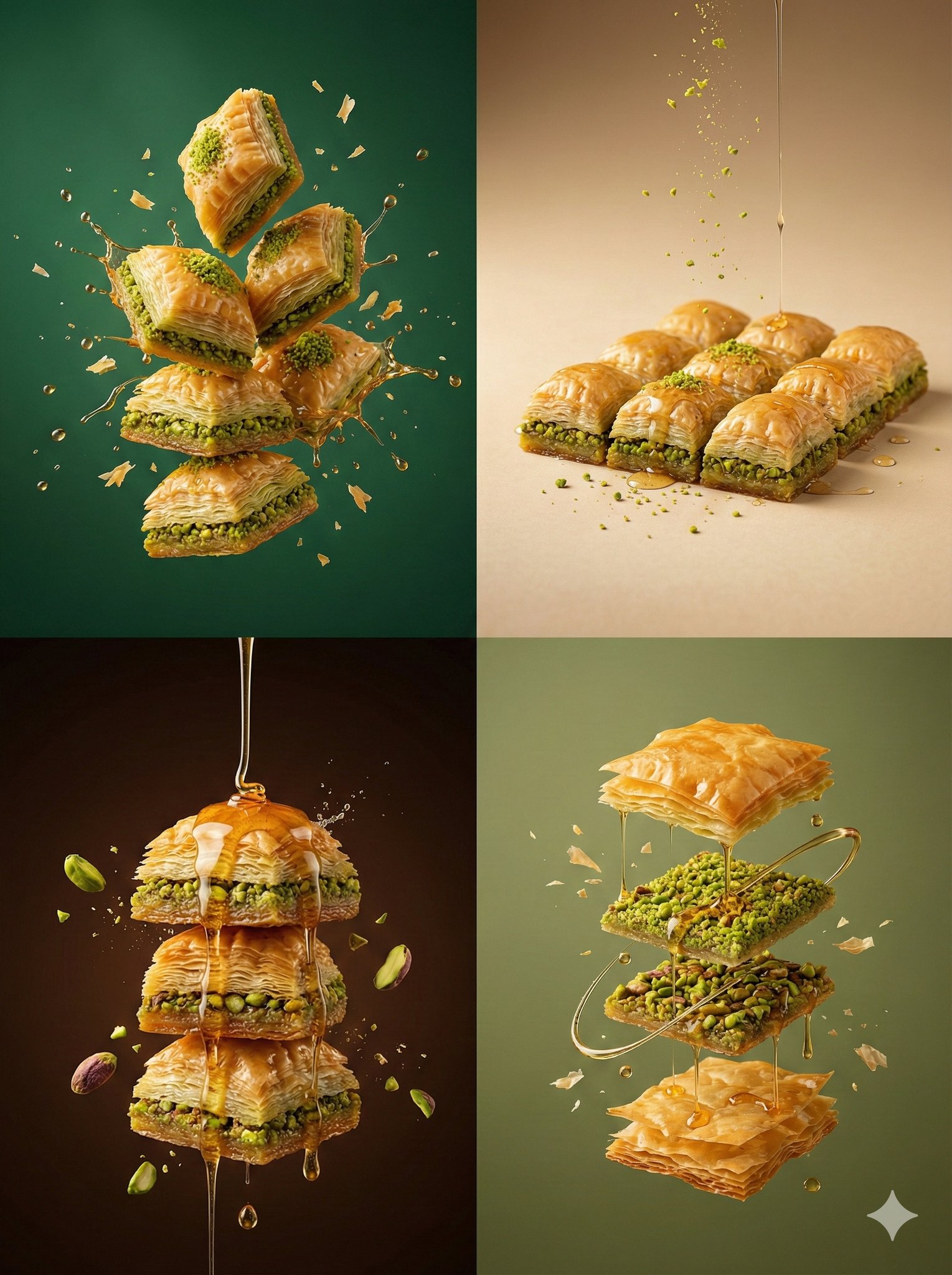 Baklava Dessert Photography Set
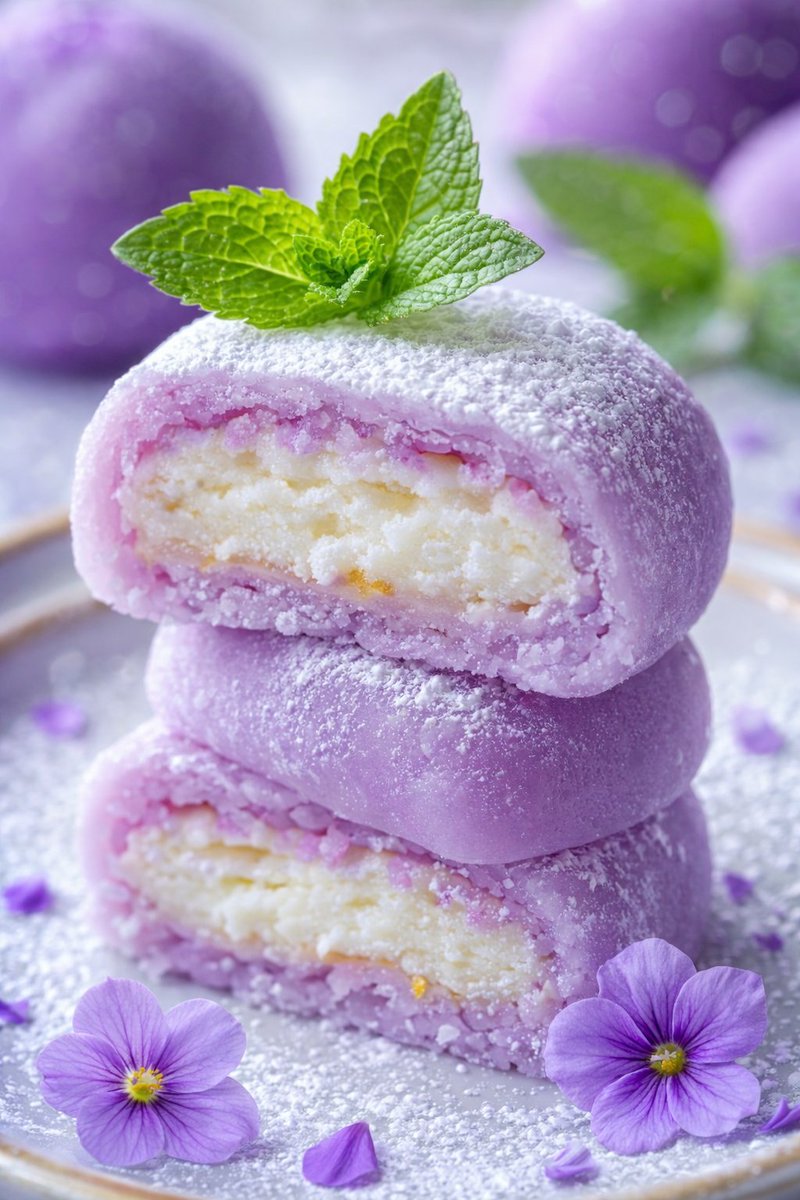 Gourmet Cake Slice Food Photo
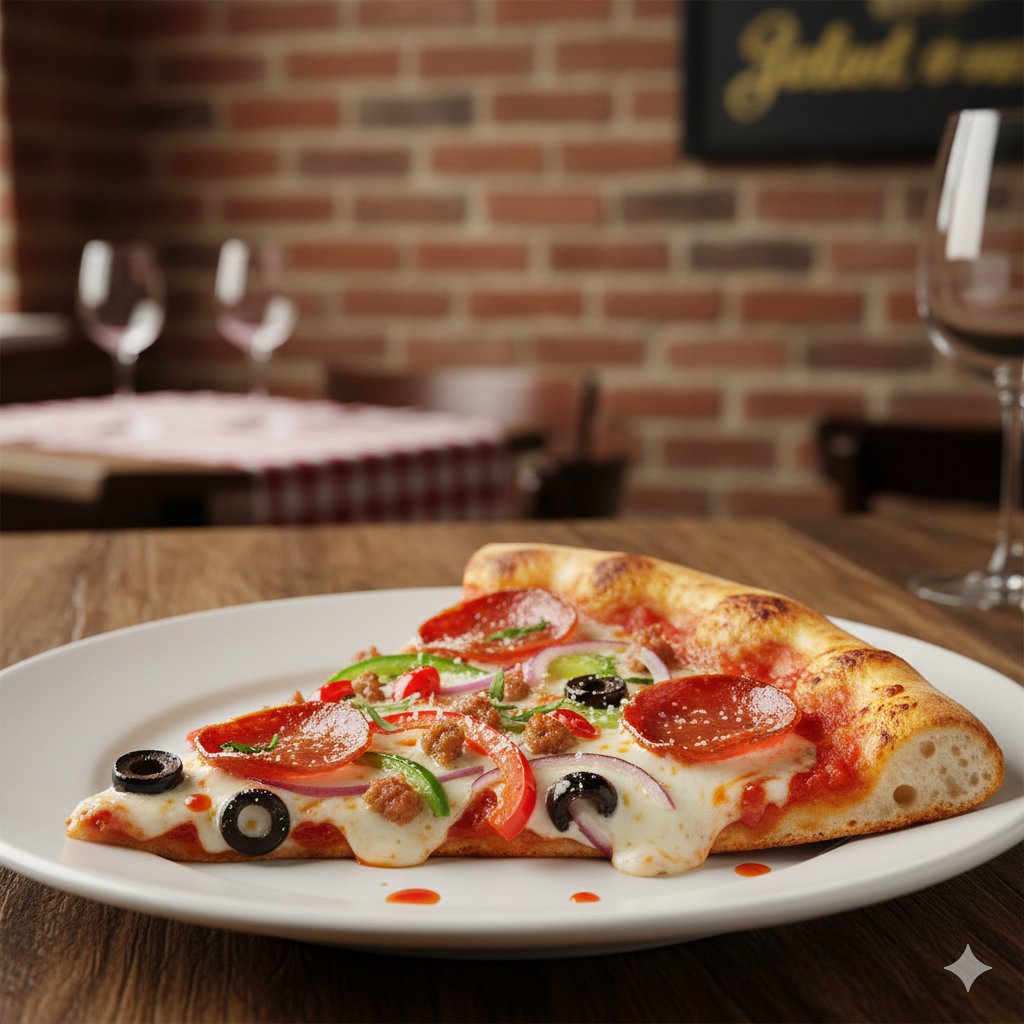 Cheesy Pizza Slice Food Photo
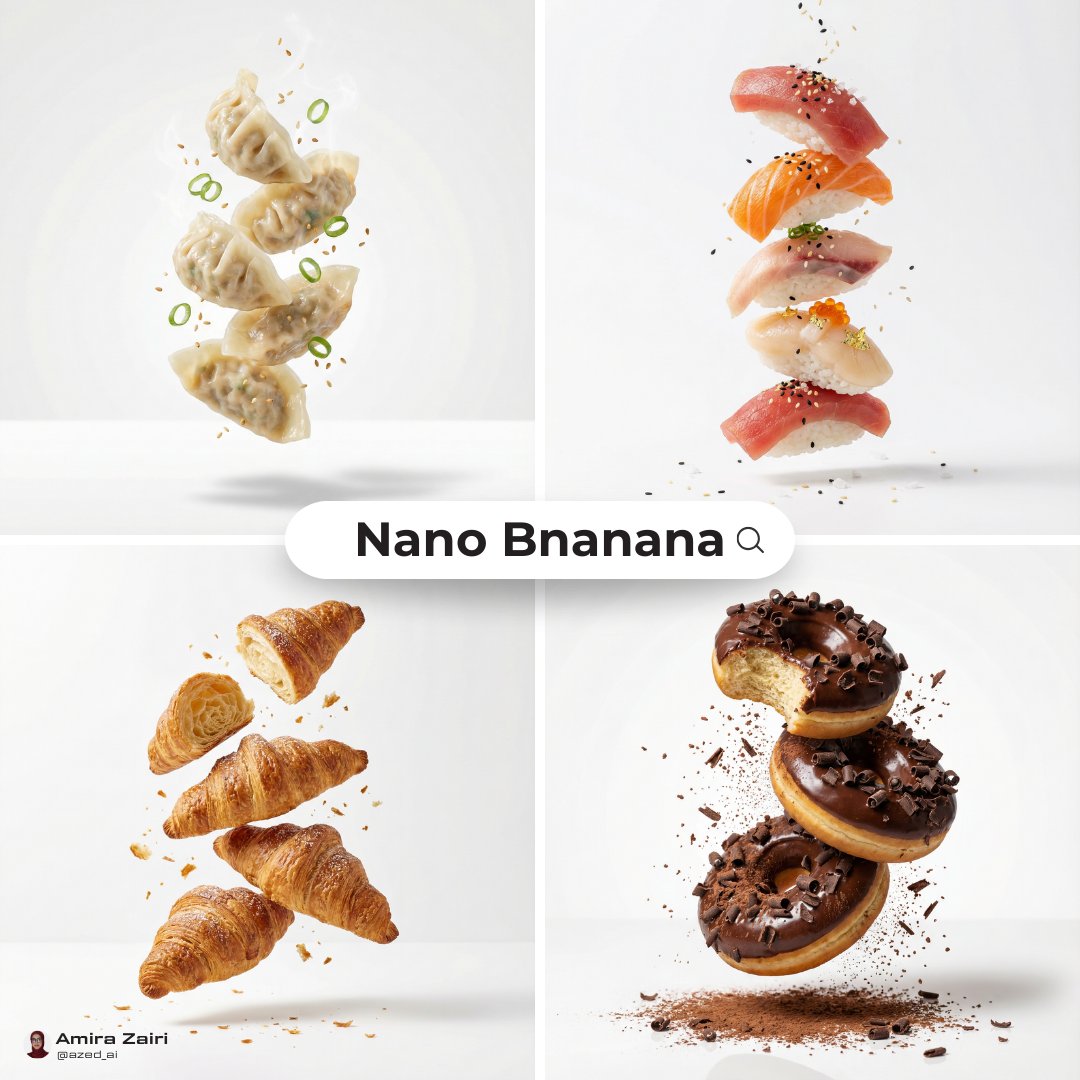 Floating Food Ad Layout
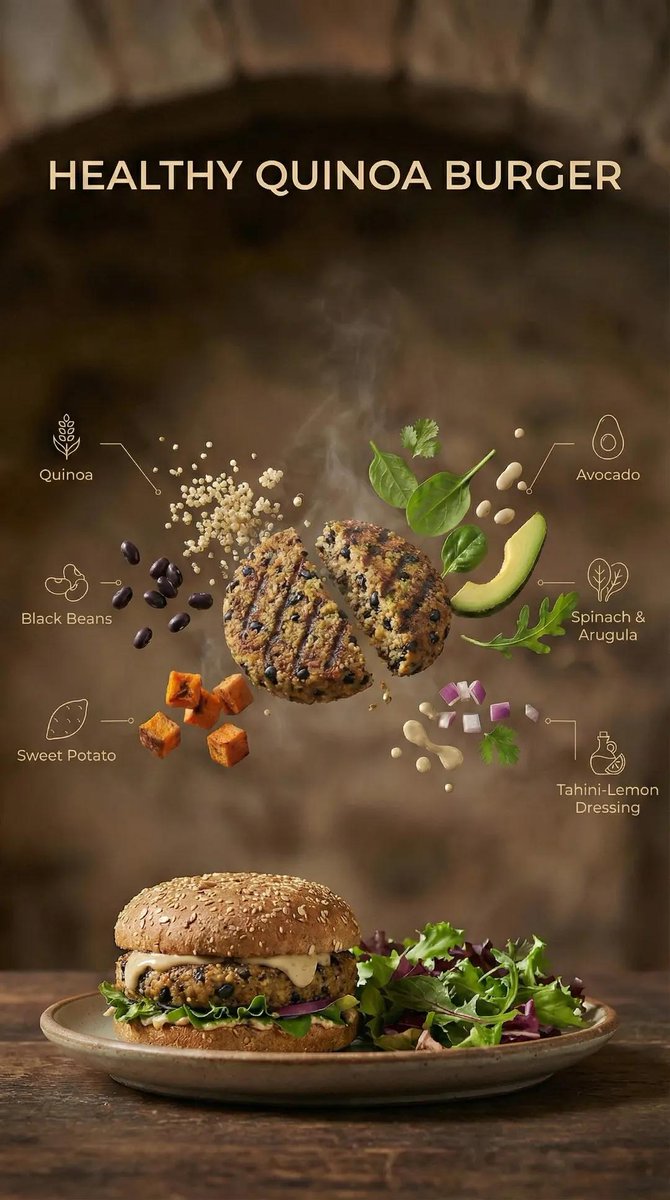 Exploded Quinoa Burger Ad
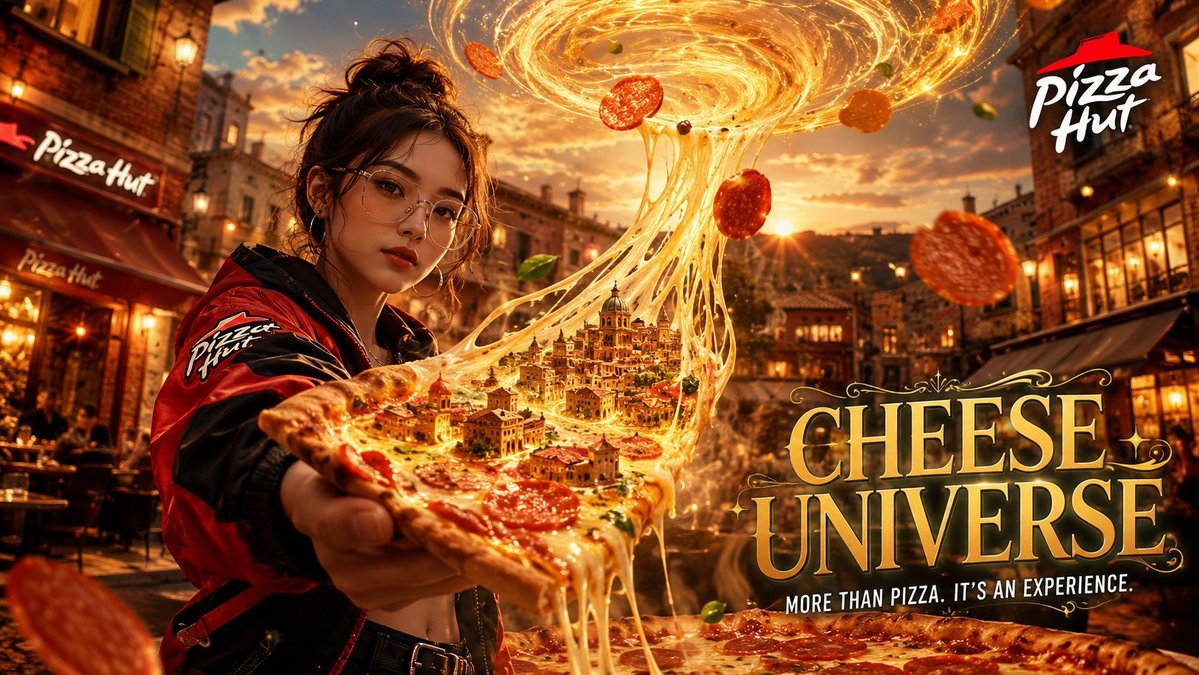 Cheese Universe Pizza Ad
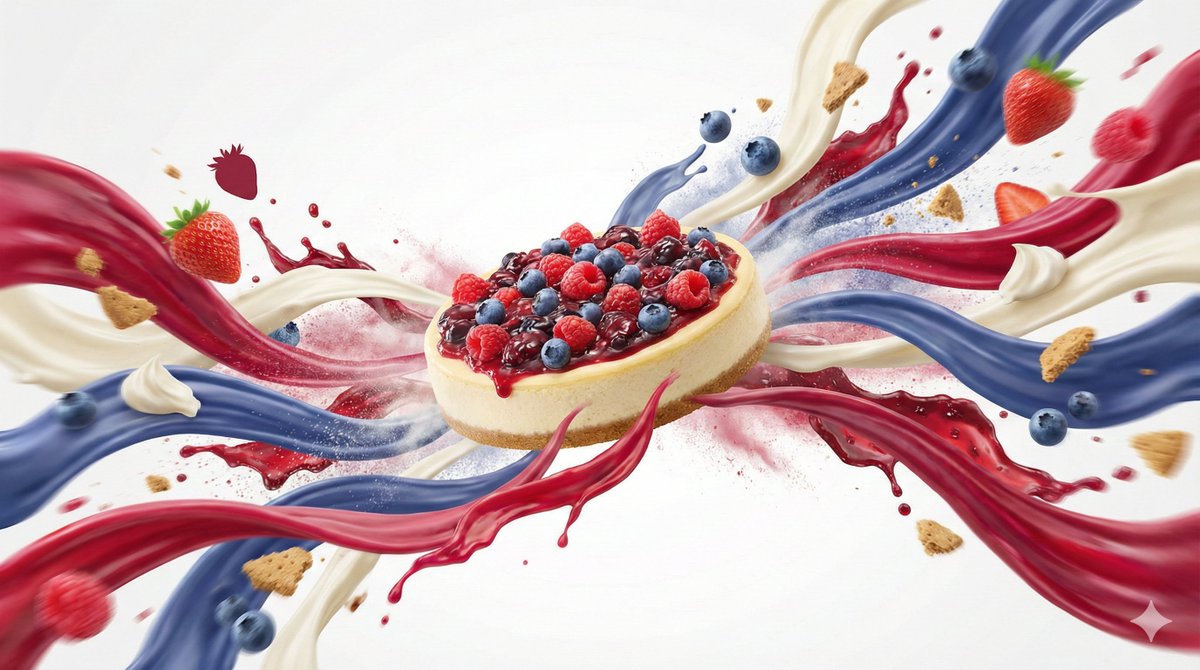 Berry Splash Food Ad
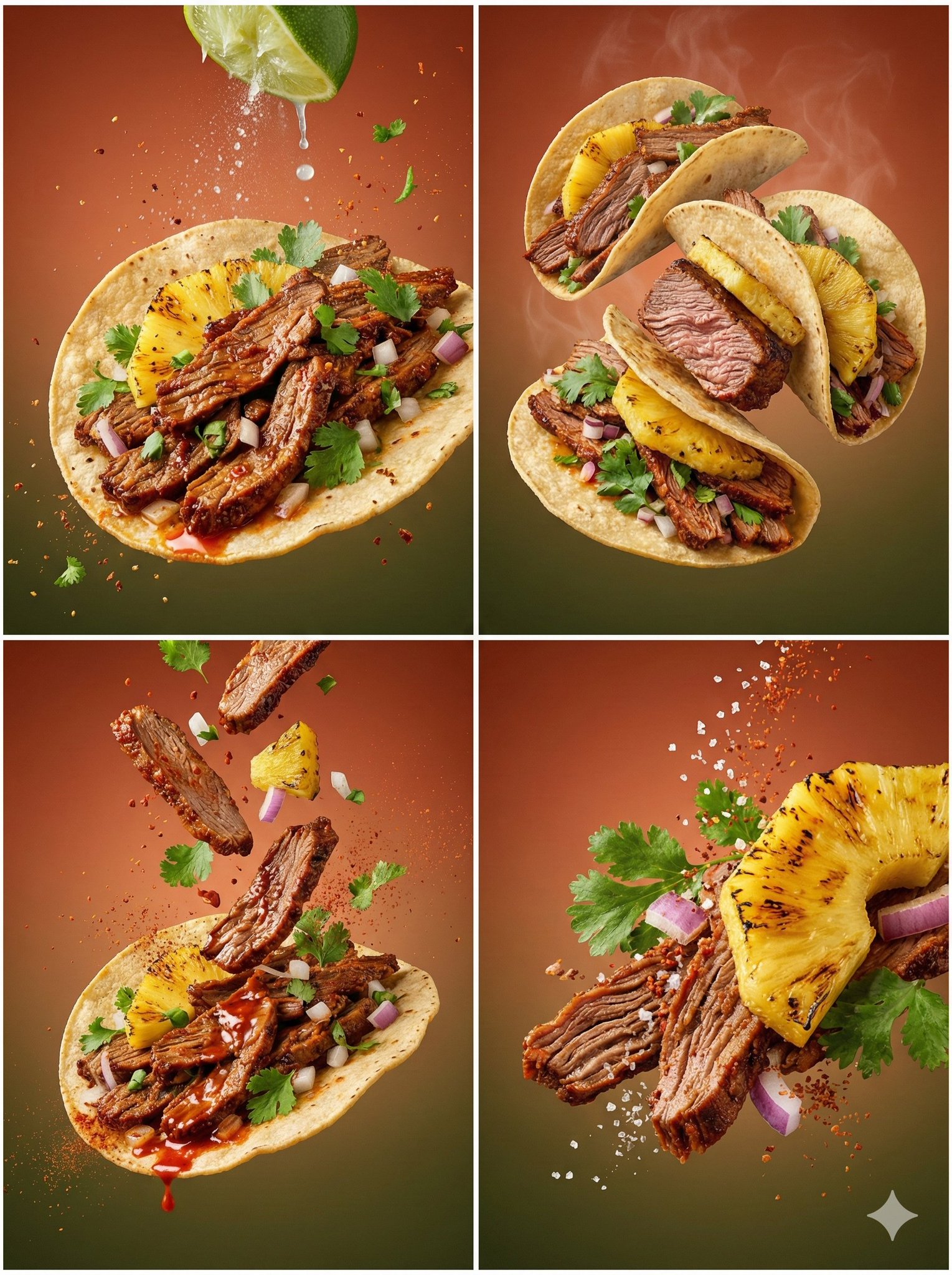 Cinematic Taco Food Ad
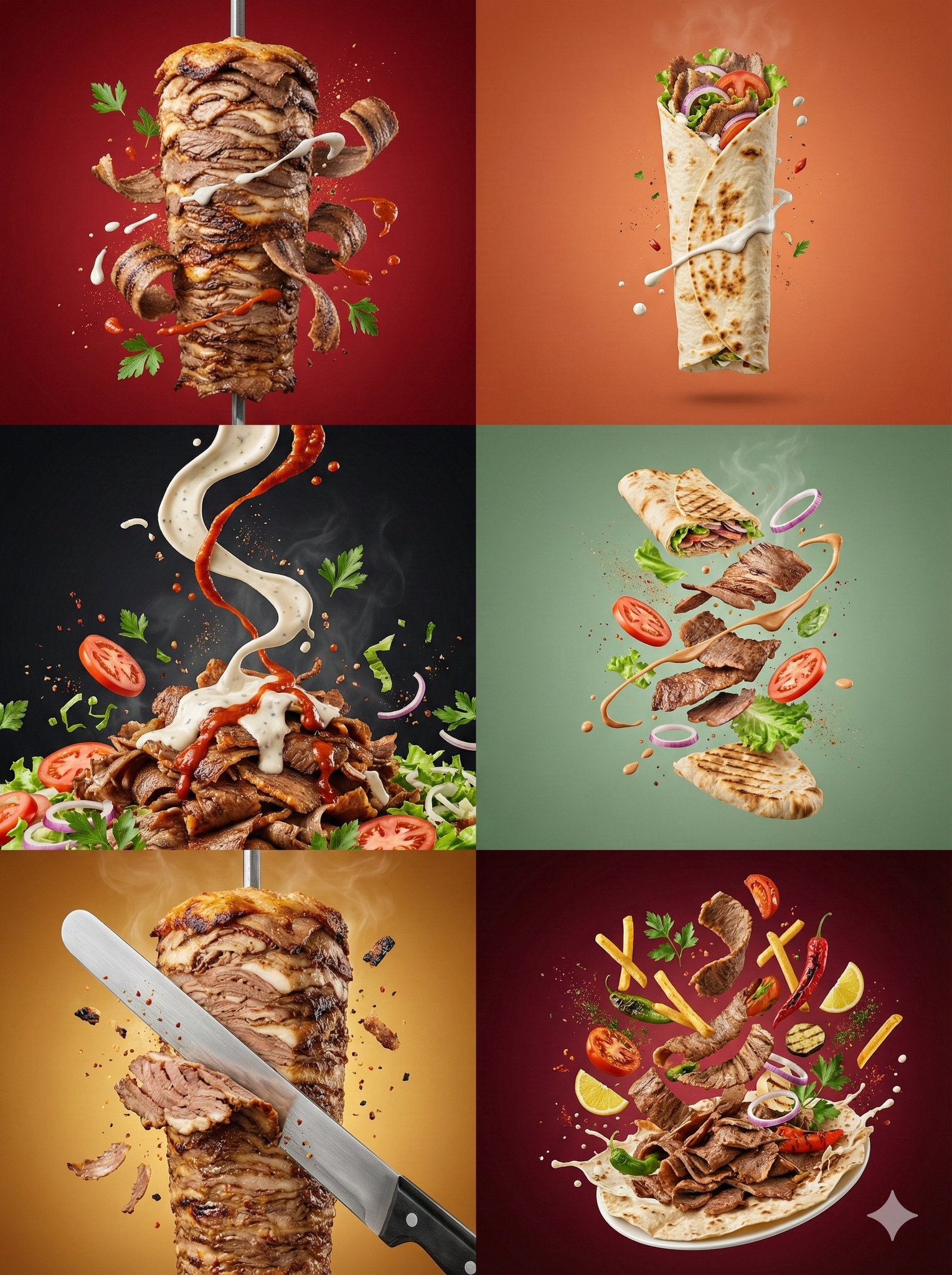 Exploding Döner Food Ad
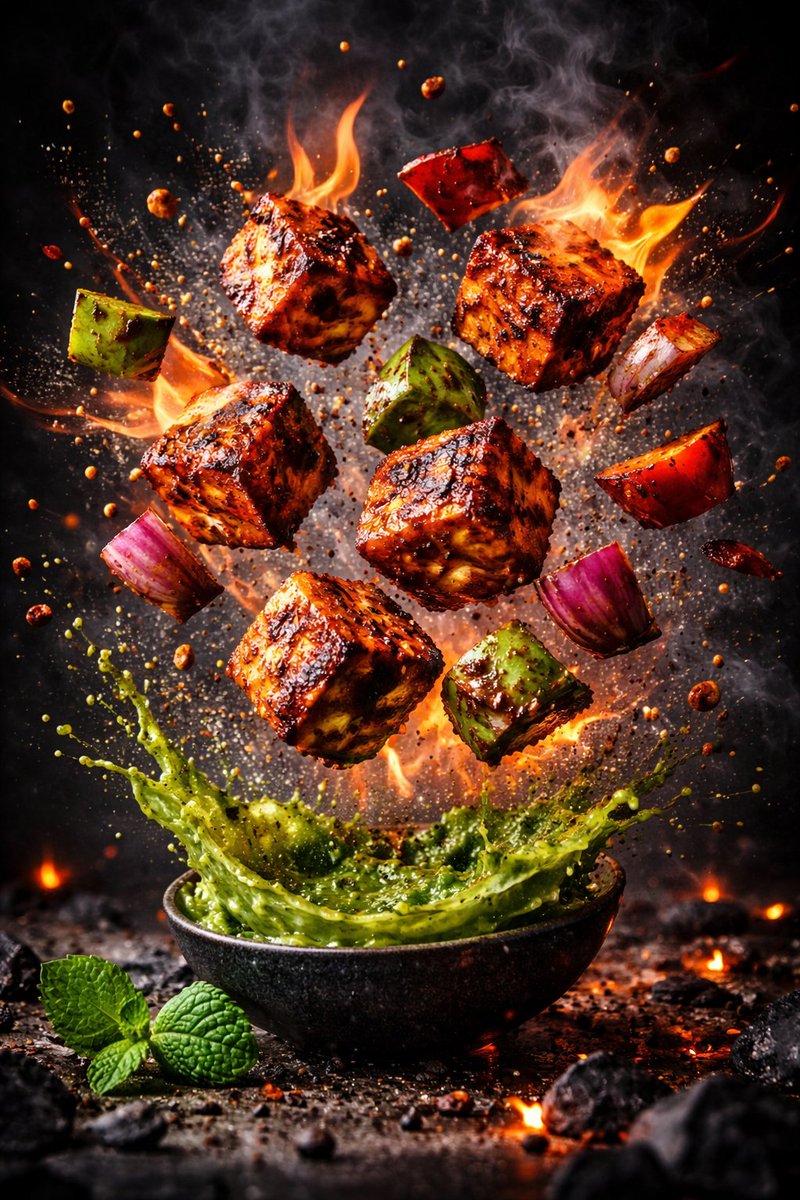 Exploding Indian Chutney Food Ad
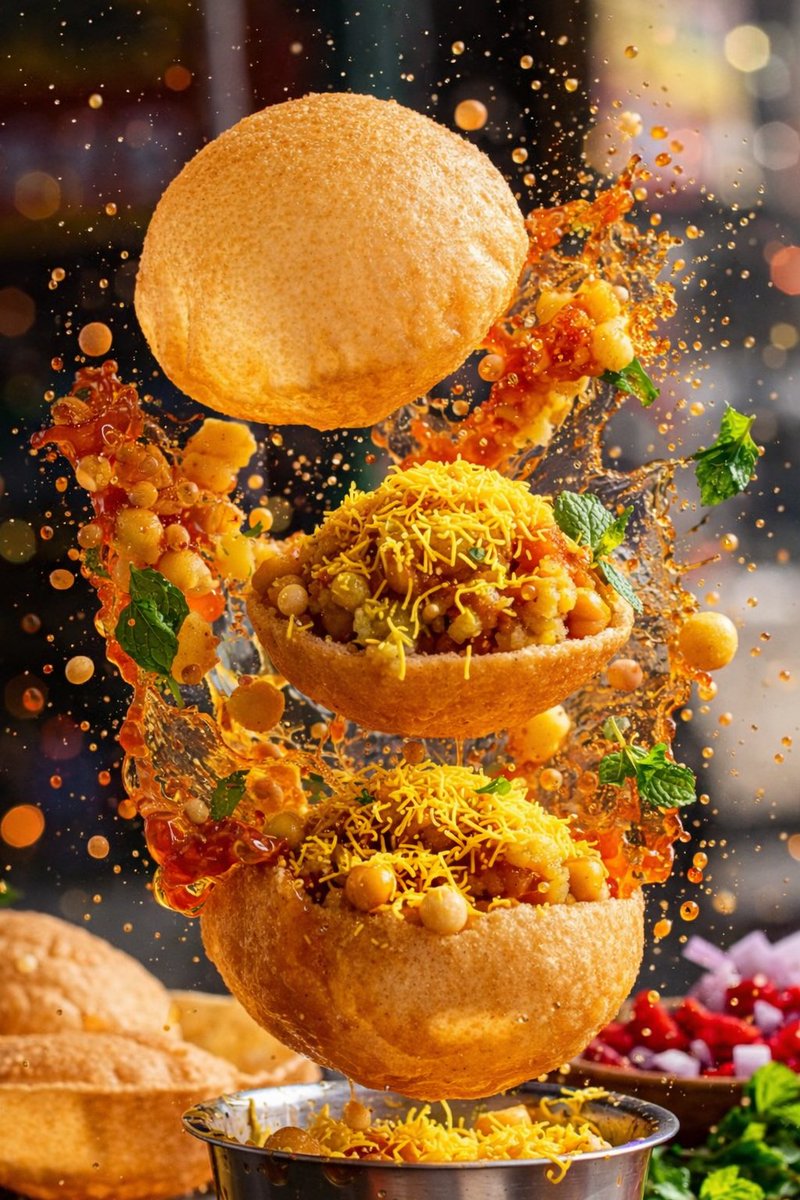 Exploding Taco Food Ad
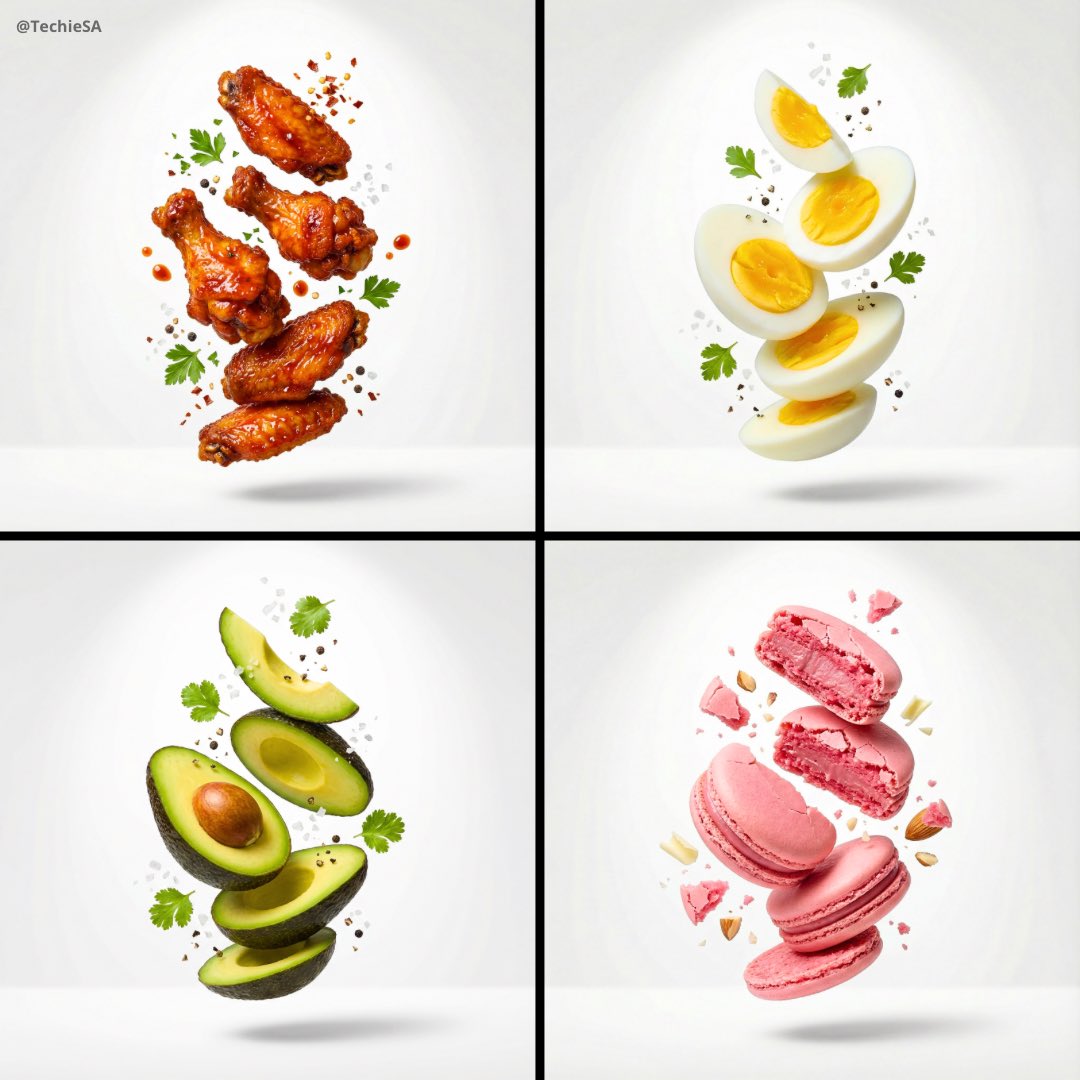 Floating Food Ad Composition
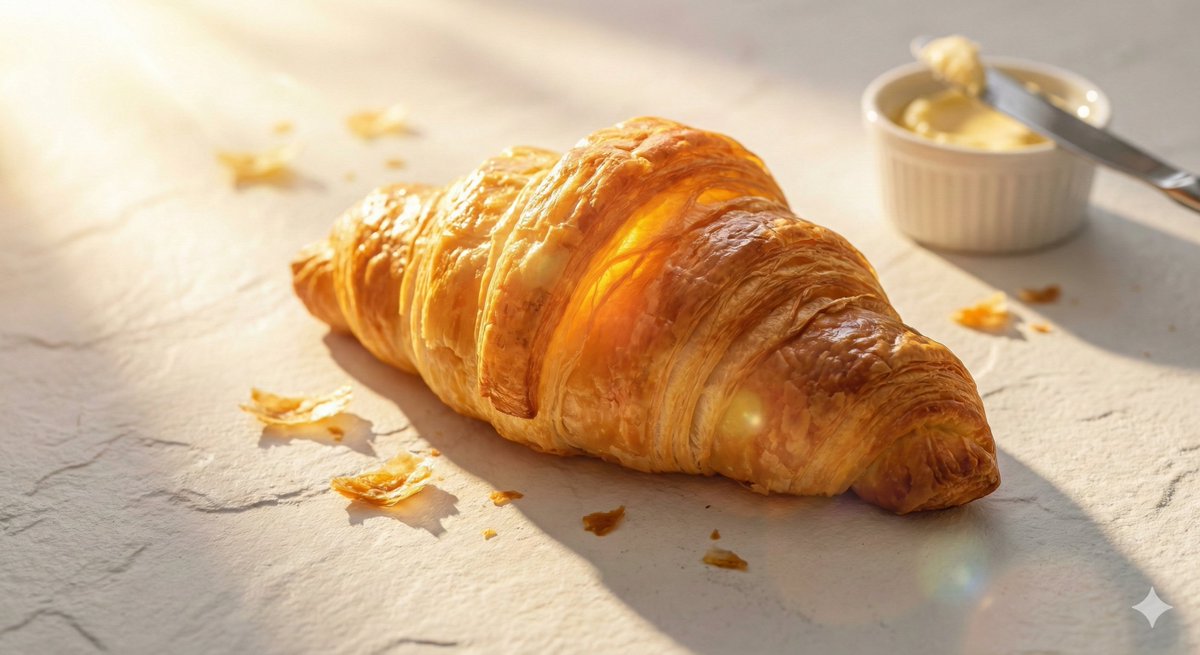 Golden Croissant Food Ad
Choose the viewpoint for the dish
An overhead view clarifies a bowl or ingredient layout; a lower angle shows the height of a burger, cake or layered pastry. Name the viewpoint in the prompt and keep props secondary. A tight crop can emphasize texture without turning the scene into an ambiguous close-up.
Describe believable texture and light
Use concrete details such as flaky crust, a moist crumb, melting cheese or condensation on a cold glass. Directional side light often makes these surfaces easier to read. Avoid stacking incompatible cues, such as heavy steam on a frozen dessert or rigid reflections on soft food.
Match an actual product when needed
For a real menu item, add a reference photo and check ingredients, portion size and presentation. Generated food images can explore a campaign direction, but a believable photograph should not imply that a restaurant serves a dish or portion it does not actually offer.
Common questions
- Can I use a phone photo of my dish?
- Yes. Add it as a reference and describe the lighting, crop or setting you want to change. Review the resulting ingredients and plating against your actual food.
- How is this different from a recipe card?
- Food photography centers on the dish as a visual subject. Recipe cards add ingredients and instructions; use that collection when the reader needs a cooking guide.